
Business Photography in Krakow for Consultants and Advisors – Why Your Photo Matters
- Victor Ravell
- Mar 11
- 2 min read
Updated: Apr 15
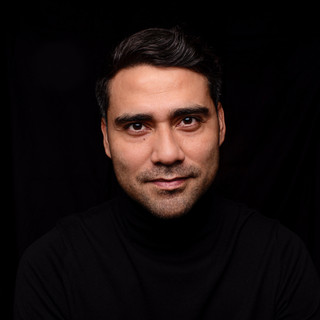
A business photo session in Krakow is one of the first tools a consultant or advisor should invest in when building their expert positioning. Not because a photo matters more than expertise — but because before anyone evaluates your expertise, they see your face first.
On your website, in a proposal, on LinkedIn — in all of these places, a client makes a decision before they ever write to you. And it's your photo that shapes that first impression.

Why consultants specifically need strong business photos
In many professions, a photo is a nice addition. In consulting, it's part of the service.
A client looking for an advisor isn't buying a product — they're buying trust in a specific person. And trust starts with what they see:
Your LinkedIn profile, when someone checks you out before a meeting
Your company website, when they're comparing three consultants
A proposal document, when they're deciding who to hire
A conference page, when they're browsing the speaker list
In all of these places, your photo either says "I know what I'm doing" — or it says nothing at all.
What makes a consultant's session different from a standard portrait
It's not about a suit and a white background. It's about making the image communicate what you communicate: competence, calm, approachability.
An overly stiff corporate photo can create a distance you don't want. Too casual — and it weakens the perception of professionalism. For consultants, the key is balance: authority without coldness, naturalness without randomness.
That's why before the session, we talk about who your clients are, what communication style you use, and where these photos will appear most often. Based on that, I choose the lighting, background, and approach.
Studio or office space — what works better
It depends on how you want to be perceived.
A studio gives you a clean, minimalist portrait — it works well if you operate in a corporate environment and want a clear, professional image.
Photos taken in an office or coworking space add context — they show the environment where you work with clients. For many advisors, this feels more natural.
In both cases, the goal is the same: the photo should look like you on your best working day, not like someone posing for a catalogue.
How to prepare for the session
Before we schedule, it's worth answering three questions:
Where will these photos be used most often? (LinkedIn, website, proposals)
Who are they aimed at? (corporations, SMEs, private clients)
What should they communicate? (expertise, approachability, years of experience)
Based on that, we plan a session that covers your needs in a single meeting.
Don't wait on this
Most consultants I work with say the same thing after the session: "I should have done this a year ago."
If you're building your expert positioning and want your image to support what you offer — see what business photography in Krakow looks like.
Check out packages and pricing or get in touch — we'll figure out what fits your situation best.



Comments