
What makes a man's portrait build trust — rather than just look good
- Victor Ravell
- May 12
- 3 min read
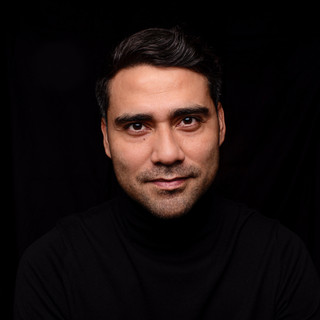
You can have a professional photo and still not inspire trust. Well-lit, carefully retouched, technically correct — and yet, a client who comes across it feels nothing in particular. They don't see someone they'd want to talk to. They see a photo.
That's the difference no one talks about when it comes to men's photography in Krakow — or image in general. Because most people think it's enough to "look good." But the truth is that trust is built by something else entirely.

A good photo is not the same as a credible photo
Many portraits look professional. They have the right backdrop, proper framing, good quality. But when someone views them on your website or on LinkedIn — nothing happens. The photo doesn't say anything about you.
The problem isn't the technique. The problem is that the photo doesn't show who you really are. It shows someone who stood in front of a camera and tried to look professional. And those are two very different things.
A portrait that builds trust doesn't have to be perfect. It has to be authentic — and aligned with how you actually work and communicate with people.
What a client sees before they read a single word
Before someone reads your CV, your service description, or your references — they see your photo. And within a few seconds, they make a decision: "I want to talk to this person" or "I'll move on."
It's not a conscious process. People don't analyse the lighting or the composition. They assess something much simpler: does this person look trustworthy? Do they look competent? Do they seem authentic?
A good photo answers those questions — before the client even asks them out loud.
Three things that set a trust-building portrait apart
Through years of working with men who come in for a men's portrait session in Krakow, I've noticed three elements that determine whether a portrait builds trust or just "looks good":
First — a facial expression that's yours, not rehearsed. It's not about a perfect smile. It's about a look that's natural and consistent with how you actually appear when you're talking to someone in person.
Second — context that matches your reality. If you work in a creative field, a stiff portrait in a suit against a white wall doesn't tell the truth about you. And the reverse — if you're a lawyer, a too-casual portrait can undermine your authority.
Third — an energy that can't be faked. This is the element you can't create in post-production. It happens when you feel comfortable in front of the lens — when the session is guided in a way that lets you relax.
Why retouching can't replace a good session
There's a temptation to "fix" a photo in post-production. Smooth the skin, adjust the colours, add some contrast. And of course, professional retouching is part of the process — but it can't fix a photo where the tension, the stiffness, or the discomfort is visible.
A men's portrait that builds trust is made during the session — not after it. It's the result of the atmosphere, the guidance, and the relationship between the photographer and the person in front of the lens.
What this looks like in practice
When a client comes to me for a portrait session, I don't start with the camera. I start with a conversation — about what they need the photos for, how they want to be perceived, and what matters to them. Based on that, I choose the style, the background, and the lighting.
The result? A photo that doesn't need explaining. A client who sees it immediately knows who they're dealing with.
If you feel that your current photo doesn't reflect who you are today — or that it "looks good" but doesn't communicate anything — this is probably the moment for a change.
See what a men's portrait session in Krakow looks like. Check out packages and pricing or get in touch directly — let's talk about what kind of portrait would work best for your situation.


Comments